How Do Betting Odds Work?
Betting odds are more than numbers. They reflect probability, opinion, and risk, shaping how bets are priced and helping bettors understand potential returns before placing a bet.

 Betting Guides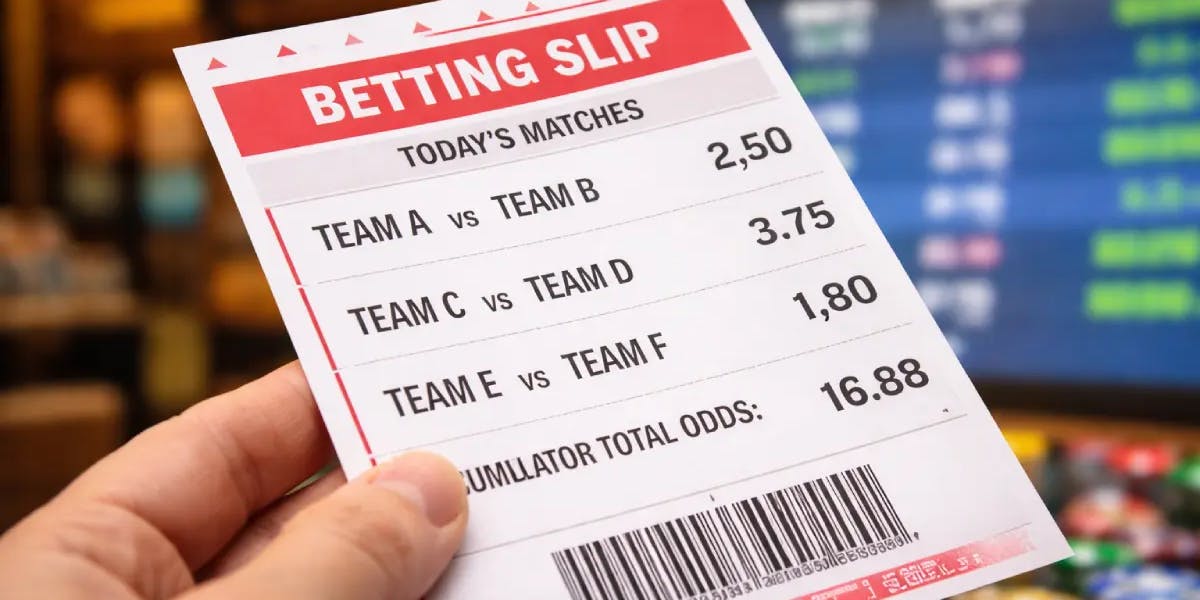
Why Betting Odds Matter?
Betting odds sit at the centre of every bet. Whether you are placing a wager on a football match, a horse race or a long-term outright, odds determine both the potential return and the implied likelihood of an outcome.
For many first-time punters, odds are first seen as numbers on a screen. In practice, they represent a balance of probability, market opinion and bookmaker margin. Understanding how betting odds work is one of the most important foundations of football betting and sports betting more generally.
What Are Betting Odds?
At their simplest, betting odds show two things: how much you stand to win if a bet is successful and how likely the bookmaker believes that outcome is.
Shorter odds suggest an outcome is more likely to occur, while longer odds indicate a lower probability. Odds are not predictions or guarantees. They are prices shaped by data, betting activity, and risk management. This distinction matters when interpreting betting odds across different sports and markets.
The Different Types of Betting Odds Explained
Bookmakers typically present odds in three main formats: fractional, decimal, and American. Each format represents the same underlying price, just displayed in a different way.
Fractional odds are most commonly used in the UK and Ireland, particularly in horse racing. Decimal odds are widely used across Europe and are often considered the easiest format to understand. American odds are primarily used in the United States and are expressed using positive and negative figures.
Fractional Odds Explained
Fractional odds show the profit you will make relative to your stake. The fraction represents how much you stand to win compared to how much you stake.
For example:
- 5/1: For every £1 staked, you win £5 in profit. Your total return would be £6 once your stake is included.
- 2/1: A £10 stake would return £20 in profit, plus your £10 stake, giving a total return of £30.
- 1/2: You need to stake £2 to win £1 in profit. A £10 stake would return £5 profit, plus your stake, for £15 total.
Decimal Odds Explained
Decimal odds display the total return of a bet, including your original stake. This makes it easier to calculate potential returns at a glance.
Examples include:
- 6.00: A £5 stake would return £30 in total, including your stake.
- 2.50: A £10 stake would return £25 in total.
- 1.50: A £20 stake would return £30 in total, reflecting a higher probability outcome.
American Odds Explained
American odds are expressed using either a positive or negative number. Positive odds show how much profit you would make from a £100 stake, while negative odds show how much you need to stake to win £100.
Examples include:
- +500: A £100 stake would return £500 in profit, plus your original stake.
- -200: You would need to stake £200 to win £100 in profit.
- +150: A £100 stake would return £150 in profit if the bet wins.
How Do Betting Odds Reflect Probability?
Every set of betting odds carries an implied probability. This is the bookmaker’s estimation of how likely an outcome is, expressed through the price.
For decimal odds, implied probability can be calculated by dividing 1 by the odds value. For example:
- 2.00 implies a 50% chance of winning (1 ÷ 2.00).
- 4.00 implies a 25% chance of winning (1 ÷ 4.00).
- 1.25 implies an 80% chance of winning (1 ÷ 1.25).
Why Do Betting Odds Change?
Betting odds rarely remain static. They move in response to new information, betting patterns and market pressure.
In football, team news, injuries, suspensions and even weather conditions can influence football odds. Heavy betting on one outcome can also force bookmakers to adjust prices to manage liability.
Understanding Value in Betting Odds
'Value' is a term often used in betting discussions, but it is frequently misunderstood. Value does not mean backing outsiders or long odds.
Instead, value exists when the odds offered are higher than the true probability of an outcome. Finding value involves comparing price with probability rather than focusing purely on potential returns.
Betting Odds at BetWright
At BetWright, betting odds are shaped using data-led pricing and market insight, with a focus on clarity and consistency.
Across football and other sports, the aim is to present clear betting odds that allow bettors to understand potential returns easily and engage with markets responsibly.
Final Thoughts on Betting Odds
Betting odds are more than numbers. They are a snapshot of probability, opinion and risk at a specific moment in time.
For anyone placing bets regularly, understanding how odds work provides a stronger foundation than chasing outcomes alone. You can explore a wide range of markets and betting odds at BetWright, with responsible gambling tools always available.
Bet £20 Get £20 Free Bet
Place a £20 Bet Builder and Get a £20 Free Bet
New verified customers only. Opt-in required. Deposit £20 and earn £1 of Free Bet value for every £1 staked on Bet Builders at combined odds of 2.0 (1/1) or greater. Min Reward: £1 Free Bet / Max Reward: £20 Free Bet. Cash in or claim within 48 hours of promo end. Free Bets expire 7 days after claim. 18+ GambleAware







 Login to play
BetWright © 2026
BetWright is a trading name of Onyx Gaming Limited, a company incorporated in England and Wales with company number 11033330. Registered office: The Coach House, Headgate, Colchester, United Kingdom, CO3 3BT. Onyx Gaming Limited is licensed and regulated in Great Britain by the Gambling Commission under account number #64666.
- Bangers N'Cash
Signup as and verifiy as an Advanced customer at BetWright to get exclusive access to opt-in rewards with our Bangers N'Cash rewards system where you can cash-in free bets and free spins every week!
- Safer Gambling
At BetWright we are committed to responsible gambling, that's why we offer a variety of tools to help you manage your gaming.
- Official Sponsorships
BetWright proudly stands as the Official Sponsor of Leyton Orient and Norwich City Football Clubs.