The Grand National’s Most Famous Fences Explained
Discover the legendary fences that make the Grand National one of racing’s toughest tests, from the fearsome Becher’s Brook to the iconic Canal Turn, each obstacle plays a huge role in shaping this unforgettable race.

 Horse Racing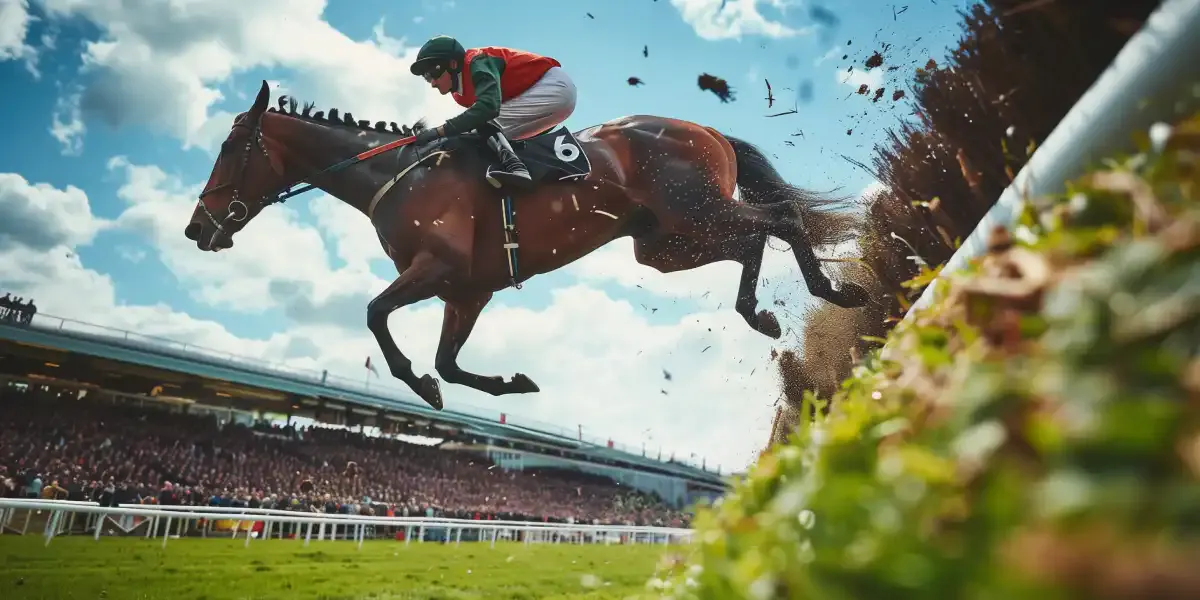
The Grand National’s Most Famous Fences Explained
Every year, the Grand National captures the attention of racing fans and casual viewers alike. Held at Aintree Racecourse, this iconic steeplechase is known for its history, drama and one thing above all else, its legendary fences.
Unlike standard jumps races, the Grand National’s fences are larger, more demanding and packed with personality. Each one has its own reputation and many have played a major role in some of racing’s most unforgettable moments.
Here’s a closer look at the most famous fences that make the Grand National such a unique challenge.
Becher’s Brook
Arguably the most famous fence in the entire race, Becher’s Brook is a true test of bravery and balance. Named after Captain Martin Becher, who famously fell there during the very first Grand National in 1839 and reportedly sheltered in the brook while the rest of the field thundered past, it has become one of racing’s most talked-about obstacles.
What makes Becher’s Brook so tricky is the drop on the landing side. Horses jump the fence expecting level ground, only to land on a slope that falls away sharply. This can easily unsettle rhythm and balance, especially for less experienced runners.
It's one of the fences which is jumped twice during the race, adding even more pressure.
The Chair
The Chair is often considered the toughest single fence on the course. Standing at over five feet high, it's the tallest jump in the Grand National and demands complete concentration.
Located just before the water jump and close to the grandstands, The Chair is impossible to miss. It also features a wide ditch on the take-off side, meaning horses must launch themselves with precision and confidence.
Historically, mistakes here have proven costly and many well-fancied runners have seen their chances disappear in seconds.
Canal Turn
Canal Turn is famous not just for the jump itself, but for what comes immediately after it, a near 90-degree left-hand turn.
This sudden change of direction creates chaos if horses land awkwardly or lose momentum. Jockeys need to prepare early, positioning carefully before the jump to avoid traffic problems.
It's one of the most tactical fences on the course, where experience and race awareness often matter just as much as jumping ability.
Valentine’s Brook
Valentine’s Brook is another fence with a deceptive challenge. At first glance, it may not look quite as intimidating as Becher’s Brook or The Chair but it has caught out plenty of runners over the years.
Like Becher’s, it includes a noticeable drop on the landing side, which can punish horses that fail to judge their leap correctly. It demands accuracy rather than pure power.
Its place early in the race also means horses are still settling, which can make it even more dangerous.
Foinavon Fence
Originally known simply as fence number seven, this obstacle was renamed after the legendary outsider Foinavon, who won the 1967 Grand National at odds of 100/1.
A pile-up at this very fence brought most of the field to a halt, but Foinavon managed to avoid the chaos and gallop clear, securing one of the most famous victories in racing history.
Since then, the fence has carried his name and remains a reminder that in the Grand National, anything can happen.
Why These Fences Matter
The Grand National isn't just about speed, it's about endurance, strategy and jumping under extreme pressure. These fences are what separate it from every other race in the calendar.
Each obstacle tells a story, whether it's historic drama at Becher’s Brook, tactical chaos at Canal Turn, or the sheer fear factor of The Chair. For punters, understanding these fences can also offer valuable insight when assessing which horses are best suited to the challenge, and should play a role when you're picking your horse racing bets for the Grand National.
That is what makes the Grand National so special. It's not simply a race, it's a battle with some of the most famous fences in sport.
Bet £10 Get £10 Free Bet
Place a £10 5-fold Acca and Get a £10 Free Bet
New verified customers only. Opt-in required. Deposit £10 and earn £1 of Free Bet value for every £1 staked on accumulators of 5 or more selections with minimum odds of 1.25 (1/4) per selection. Min Reward: £1 Free Bet / Max Reward: £10 Free Bet. Cash in or claim within 48 hours of promo end. Free Bets expire 7 days after claim. 18+ GambleAware










 Login to play
BetWright © 2026
BetWright is a trading name of Onyx Gaming Limited, a company incorporated in England and Wales with company number 11033330. Registered office: The Coach House, Headgate, Colchester, United Kingdom, CO3 3BT. Onyx Gaming Limited is licensed and regulated in Great Britain by the Gambling Commission under account number #64666.
- Bangers N'Cash
Signup as and verifiy as an Advanced customer at BetWright to get exclusive access to opt-in rewards with our Bangers N'Cash rewards system where you can cash-in free bets and free spins every week!
- Safer Gambling
At BetWright we are committed to responsible gambling, that's why we offer a variety of tools to help you manage your gaming.
- Official Sponsorships
BetWright proudly stands as the Official Sponsor of Leyton Orient and Norwich City Football Clubs.