Aintree Uncovered: Your Guide to Aintree Racecourse
Explore Aintree Racecourse, the legendary home of the Grand National, from its famous fences and unique course layout to what makes race day so special for fans and punters alike.

 Horse Racing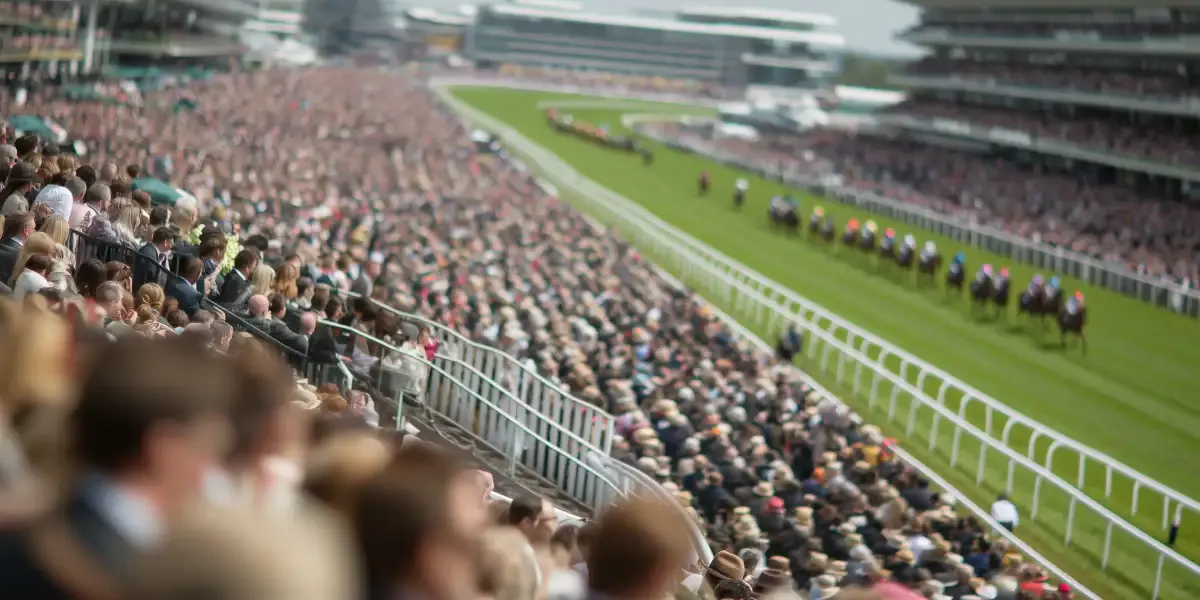
Aintree Uncovered: Your Guide to Aintree Racecourse
Few racecourses in the world are as instantly recognisable as Aintree Racecourse. Best known as the home of the Grand National, Aintree is one of the most famous venues in horse racing and a place packed with history, drama and unforgettable sporting moments.
For racing fans, Aintree is far more than just one race each April. It's a course with its own personality, famous fences and a reputation for producing some of the most thrilling action in the jumps calendar.
Whether you're planning to attend the Grand National Festival, placing a bet from home, or simply want to understand why Aintree holds such an important place in racing, this guide covers everything you need to know.
Where Is Aintree Racecourse?
Aintree Racecourse is located in Liverpool, Merseyside, around five miles from Liverpool city centre.
Its location makes it one of the easiest major racecourses in Britain to reach, with strong transport links by road, rail and public transport. During the Grand National Festival, thousands of racing fans travel from across the UK and beyond to be part of the occasion.
The course has been hosting racing since the early 19th century and officially staged the first recognised Grand National in 1839.
Since then, it has become one of the most iconic venues in British sport.
The Home of the Grand National
While Aintree hosts racing throughout the season, everything is built around the Grand National.
Run over more than four miles and featuring 30 fences across two circuits, the race is one of the toughest challenges in jump racing. It attracts casual viewers, seasoned punters and major media attention every single year.
The Grand National Festival usually takes place over three days, with top-class racing building towards the main event on Saturday.
Thursday opens the meeting with strong Grade 1 action, Friday features Ladies Day and one of the biggest social occasions in the racing calendar and Saturday delivers the Grand National itself.
Even people who rarely follow horse racing often tune in for Aintree’s biggest day.
The Famous Grand National Fences
What truly makes Aintree different is its fences.
Unlike standard chase fences, the Grand National obstacles are larger, more demanding and carry decades of history. They require bravery from both horse and jockey and many have become famous in their own right.
Becher’s Brook
Perhaps the most well-known fence on the course, Becher’s Brook is famous for its steep landing side, which can catch horses off balance and punish poor jumping.
It's named after Captain Martin Becher, who famously fell there during the first Grand National.
The Chair
The tallest fence on the course, The Chair stands over five feet high and includes a wide ditch before take-off. It is one of the most feared obstacles in the race and often changes the shape of the field quickly.
Canal Turn
Canal Turn is known for the sharp left-hand turn that follows immediately after landing. Jockeys must position carefully before the jump or risk losing momentum and valuable ground.
Foinavon Fence
Originally just another numbered obstacle, this fence was renamed after Foinavon won the 1967 National at 100/1 after avoiding a famous pile-up there.
Each fence tells part of Aintree’s story. We have a breakdown on all of the Grand Nationals famous fences if you'd like to find out more.
The Two Courses at Aintree
Aintree actually features more than one racing layout.
The most famous is the Grand National course, used for the National itself and selected cross-country style races. This includes the legendary fences and the longer test of stamina.
Alongside that is the Mildmay Course, a separate track used for many of the other races during the festival. It features more conventional fences and hosts top-class Grade 1 races like the Bowl Chase and the Aintree Hurdle.
This way Aintree can offer elite racing beyond just the National itself.
Why Aintree Is Unique for Bettors
For punters, Aintree demands a slightly different approach.
Form that works well at Cheltenham doesn't always translate directly to the Grand National course. Horses need proven stamina, clean jumping and often previous experience over Aintree’s unique fences.
Some horses simply love the place, while others never look comfortable.
Trainer and jockey records also matter. Certain trainers target Aintree all season, while experienced Grand National jockeys often handle the pressure better than newcomers.
Understanding the course can be just as important as understanding the horse.
Visiting Aintree on Race Day
Attending Aintree during the Grand National Festival is as much a social event as a sporting one.
Ladies Day in particular is known for its fashion, atmosphere and huge crowds, while Grand National Day brings a sense of occasion that few sporting events can match.
There are hospitality packages, grandstand tickets and general admission options depending on the type of experience you want. Many visitors also combine race day with a wider trip into Liverpool, making it one of the most popular weekends in the sporting calendar.
Even outside the National Festival, Aintree hosts regular meetings and events throughout the year.
Why Aintree Matters
Aintree Racecourse isn't just where the Grand National happens, it's part of what makes the race so special.
Its fences, history, atmosphere and traditions give the National a character no other race can match. Every winner becomes part of that story, whether it's a favourite delivering under pressure or a 100/1 outsider shocking the world.
For racing fans, Aintree isn't simply a venue.
It's one of the true homes of sport, where legends are made one fence at a time.
Bet £10 Get £10 Free Bet
Place a £10 5-fold Acca and Get a £10 Free Bet
New verified customers only. Opt-in required. Deposit £10 and earn £1 of Free Bet value for every £1 staked on accumulators of 5 or more selections with minimum odds of 1.25 (1/4) per selection. Min Reward: £1 Free Bet / Max Reward: £10 Free Bet. Cash in or claim within 48 hours of promo end. Free Bets expire 7 days after claim. 18+ GambleAware









 Login to play
BetWright © 2026
BetWright is a trading name of Onyx Gaming Limited, a company incorporated in England and Wales with company number 11033330. Registered office: The Coach House, Headgate, Colchester, United Kingdom, CO3 3BT. Onyx Gaming Limited is licensed and regulated in Great Britain by the Gambling Commission under account number #64666.
- Bangers N'Cash
Signup as and verifiy as an Advanced customer at BetWright to get exclusive access to opt-in rewards with our Bangers N'Cash rewards system where you can cash-in free bets and free spins every week!
- Safer Gambling
At BetWright we are committed to responsible gambling, that's why we offer a variety of tools to help you manage your gaming.
- Official Sponsorships
BetWright proudly stands as the Official Sponsor of Leyton Orient and Norwich City Football Clubs.